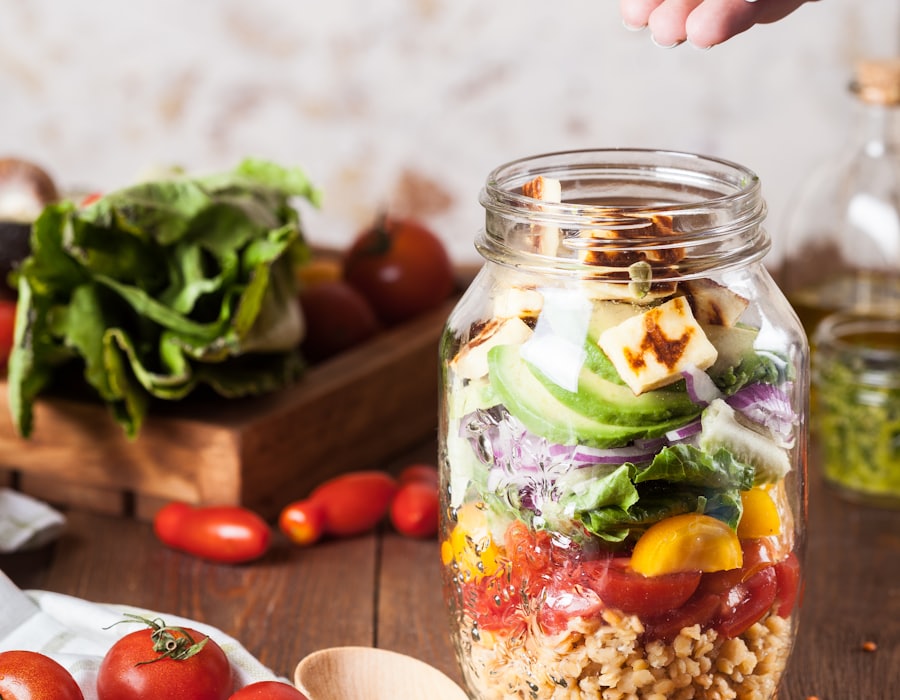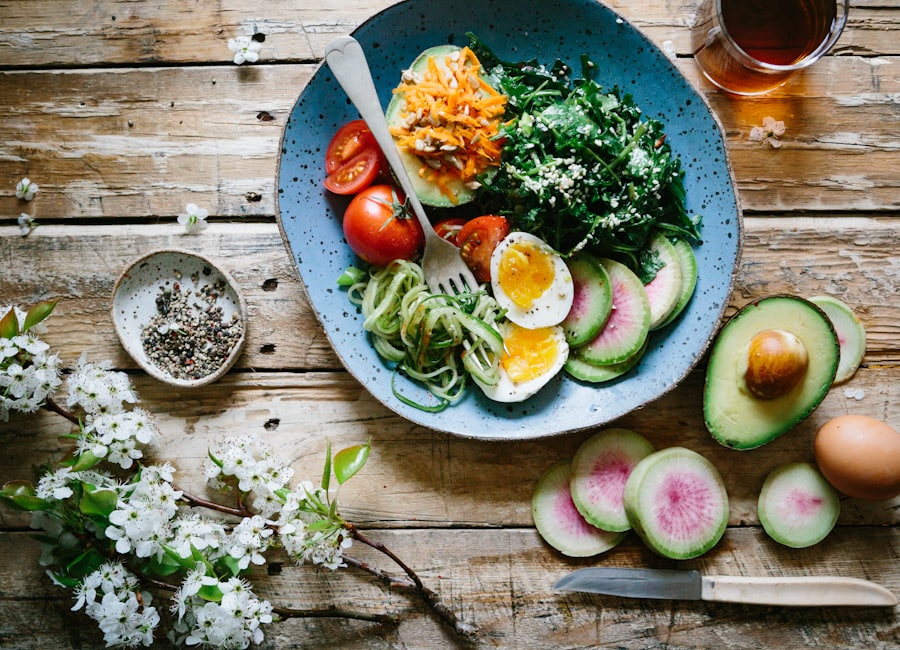
The best diet plan is the one still being followed in March. These eight changes were chosen because households here actually keep them, not because they look impressive on paper.
Advice fails when it ignores the kitchen
Most diet plans a patient brings me were written for a household that does not exist here — one that shops twice a week, cooks individual portions, and buys ingredients that are not sold within an hour of Lalitpur. The plan is not wrong. It is simply not followable, which amounts to the same thing.
Eight changes that survive contact with a real household
- Move the vegetable to the front. Serve the tarkari first and the rice second, rather than the other way round.
- Keep the dal thick. A thicker dal delivers noticeably more protein per serving than a thin one, at no extra cost.
- Add one whole grain a day. Not every meal — one. Dhido, brown rice or roti made with unrefined flour all count.
- Fry in a measured spoon. Not because oil is the enemy, but because free-pouring quietly doubles the amount.
- Eat the fruit, drink less of the juice. Whole fruit keeps the fibre that slows everything down.
- Give tea a boundary. Two cups with sugar a day rather than six is a change most people can actually hold.
- Keep a soaked-legume habit. Something in water overnight means something good is cheap and ready tomorrow.
- Eat the last meal earlier. Shifting dinner forward by an hour helps sleep and digestion more than most supplements do.
A plan built around food that is not sold near your home is not a plan. It is homework you will fail.
What to bring to a consultation
Three days of what you actually ate — not what you meant to eat — and recent bloods if you have them. We build the plan around the meals your kitchen already makes, and we review it to see what stuck rather than repeating what did not.